

How to bring past patients back (without a January email blast)
Your easiest patients to see are the ones who already worked with you. Here's how a reactivation path keeps them connected long after care ends.
 Nicole Harlow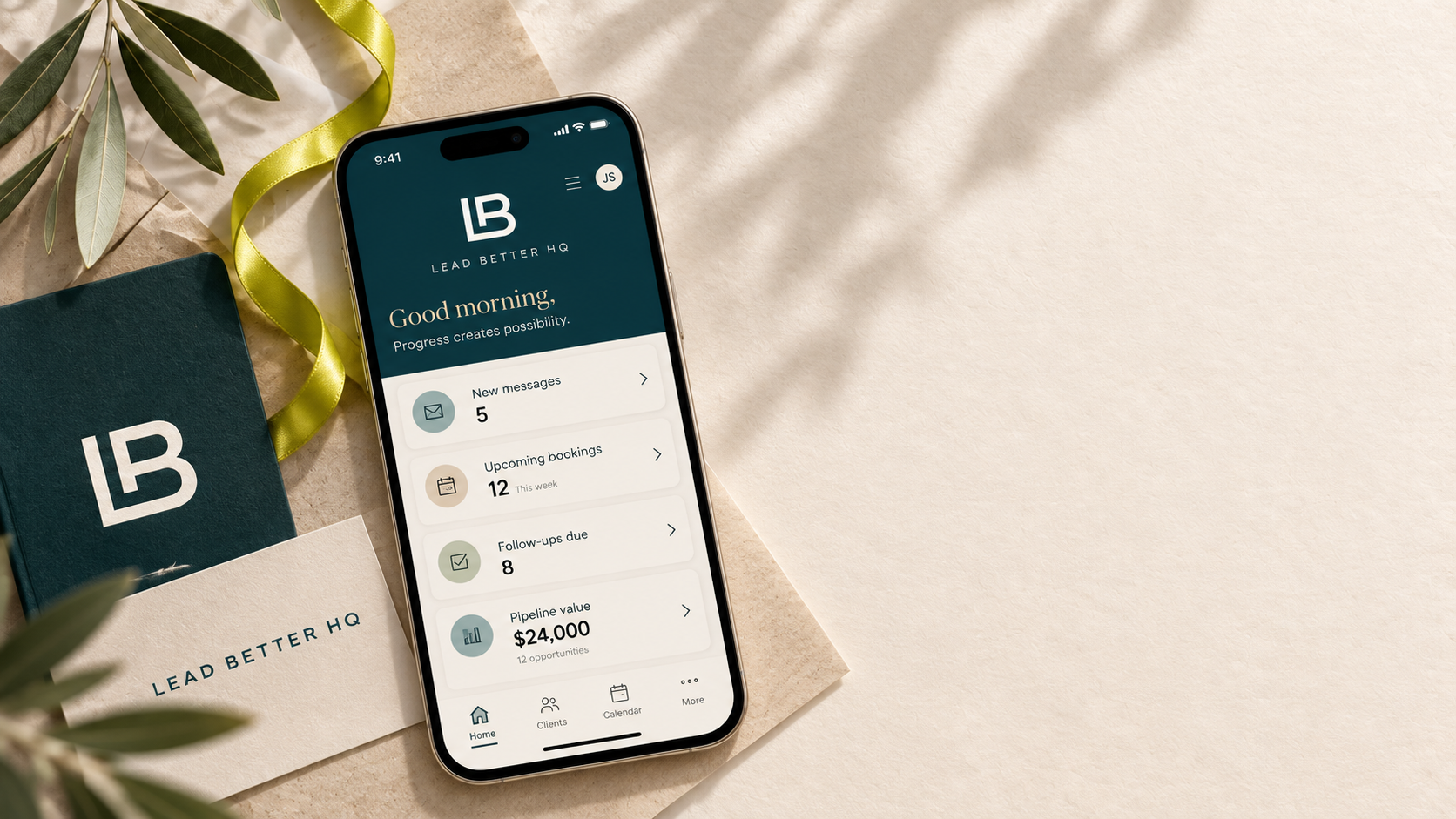
Think of a patient who finished working with you six months ago. Someone who did well. Who liked you. Who told you, on their last visit, how much better they felt.
When did anyone from your business last say a word to them?
For most practices, the honest answer is the day care ended.
The most overlooked people in your business
Everything else in marketing is about people who might work with you someday. Past patients are different. They already trust you. They already know your work. They already got results.
They're the easiest people in the world to bring back, and in most health-based businesses, nothing brings them back. They drift. Then a year and a half later, when they need help again, they search online and find someone new.
It's not that they chose someone else. It's that nobody reminded them you were there.
Why the January blast doesn't fix it
Most practices do reactivation once a year. Someone exports a list, writes one email and sends it to everyone in January.
It works a little. And then nobody does it again for eleven months, because it was a project, and projects don't repeat themselves.
The problem isn't the email. It's that reactivation was treated as a campaign instead of a path.
What a reactivation path looks like
In Lead Better HQ, when care wraps, a path begins. It runs on its own, at the right intervals, for as long as it makes sense:
- Check-ins timed to the person, not the calendar. Someone who finished a program in March hears from you on a schedule that starts from March, not from whenever you next get around to sending something.
- Genuinely useful education. Not a newsletter about you. Things that help them keep the results they got, which is also a lovely reminder of what you did together.
- A natural reason to come back before they've forgotten what working with you felt like. A tune-up, a seasonal check-in, a new program that fits where they are now.
- Reviews and referrals asked for at the right moment. Right after care wraps, when someone is feeling their best, is when they're most likely to say yes. Most practices ask weeks later, or never.
The long-term nurture loop
Reactivation has a sibling that deserves the same attention: the people who inquired and weren't ready yet.
Someone who reached out in March and said "not right now" didn't say no. They said not yet. In Lead Better HQ they stay on a long-term nurture path and come back around when the time is right, instead of disappearing into a spreadsheet.
Nobody gets dropped.
Where Practice Better fits
If you're on Practice Better, your clinical record stays exactly where it belongs. It's an excellent place for it. Practice Better even has a tidy automation to archive and unregister clients once their program ends.
Reactivation is the other half of that moment. The clinical side closes the chapter. The operations side makes sure the relationship doesn't close with it.
See what it's worth
Your Lead Better HQ dashboard tracks reactivation revenue as its own number, so you can see exactly what bringing patients back is contributing. For a lot of practices it's the first time that money has ever been visible.
The short version
Your past patients already trust you. Reactivation isn't about convincing them. It's about staying in touch long enough that you're the one they think of when they need help again.
Want to see where this is happening in your business?
We do a free Patient Experience Audit. Someone on our team becomes a new patient and goes through your inquiry and booking the way one really does. Then our founder Nicole sends you a short video of what we found. About two minutes of your time and no logins needed.
Common questions
What is patient reactivation?
Patient reactivation is the process of staying connected with patients after their care ends, so that when they need help again you're the one they think of. Rather than a one-off email blast, it's an ongoing path of check-ins, useful education, and natural invitations to come back that runs automatically at the right intervals.
Why do past patients disappear from a health practice?
Most practices stop contacting patients the moment care ends, so there's no system keeping the relationship alive. When that patient needs help months or years later, they search online and find someone new — not because they chose a different practitioner, but because nobody reminded them you were there.
Does a January reactivation email work?
It works a little, but only once a year, and then nobody does it again for eleven months because it was a project rather than an ongoing path. Reactivation is far more effective when it's a timed, automated path that runs for every patient based on when they finished care, instead of a single annual campaign.
How does Practice Better handle patient reactivation?
Practice Better is excellent for the clinical side and can archive or unregister clients once a program ends. Reactivation is the other half of that moment — the operations layer that keeps the relationship alive after the clinical chapter closes. It lives in a separate system like Lead Better HQ rather than in the EHR itself.
Nicole Harlow, CEO Lead Better HQ
18 years building businesses that let me go outside ✌️
Systems geek. Secret introvert.
Nicole Harlow is the founder of Lead Better HQ, where her team builds and runs the operational layer around clinical care so practitioners can go outside.
Keep reading
How to reduce no-shows in your practice (without calling everyone yourself)
No-shows are rarely about the patient not caring. Here's why people miss appointments and how a layered reminder system brings more of them through the door.
What happens when a patient calls and nobody picks up
When a potential patient calls and gets voicemail, they usually call someone else. Here's how missed call text back keeps the conversation going while you're with a client.
You know what you think happens when a new patient finds you.
Want to know what actually happens?